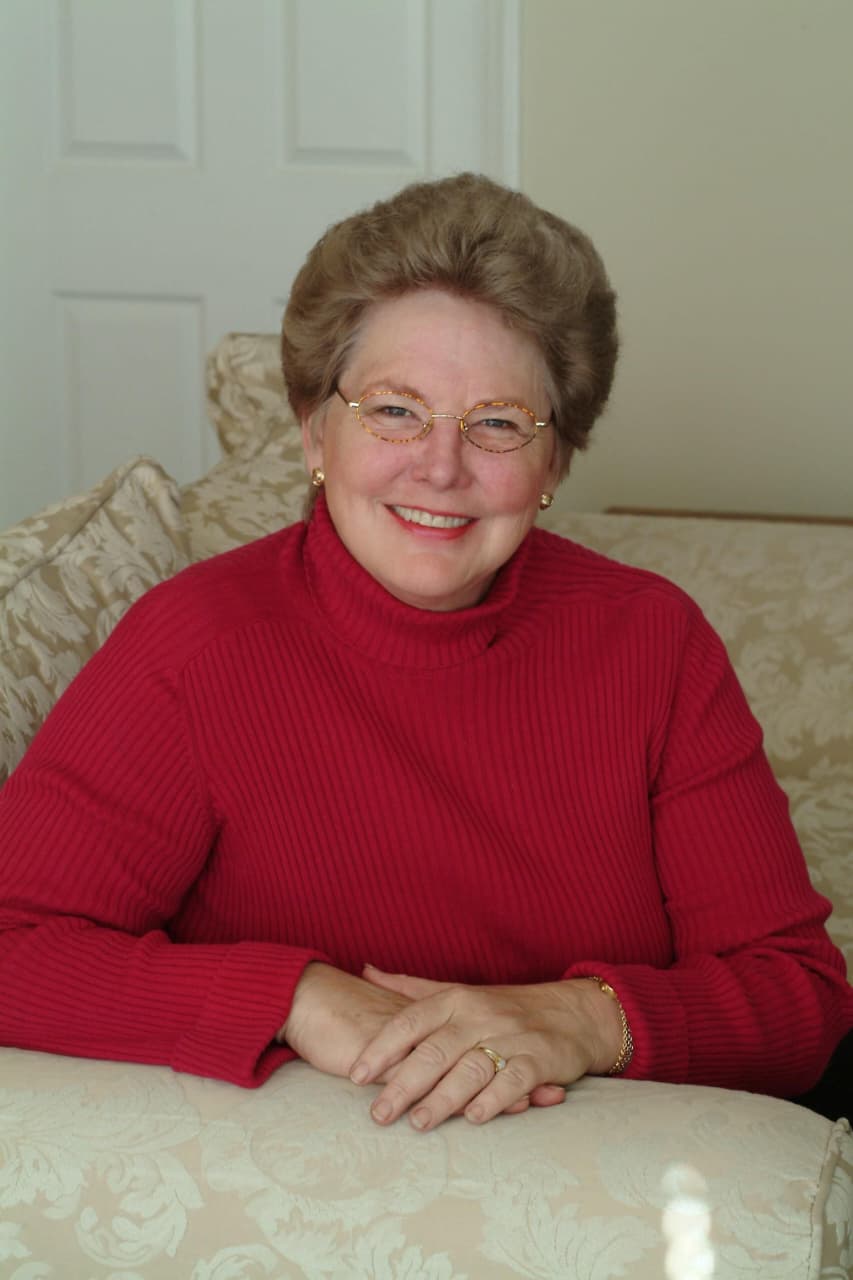
N. Katherine Hayles is an eminent literary critic and theorist whose work investigates the convergence of literature, science, and technology. Her writings engage key areas such as posthumanism, cybernetics, digital literature, and the cognitive nonconscious.
Among her most significant contributions is How We Became Posthuman (1999), which was honored with the René Wellek Prize for Best Book in Literary Theory by the American Comparative Literature Association and the Eaton Award for Best Book in Science Fiction Theory and Criticism .
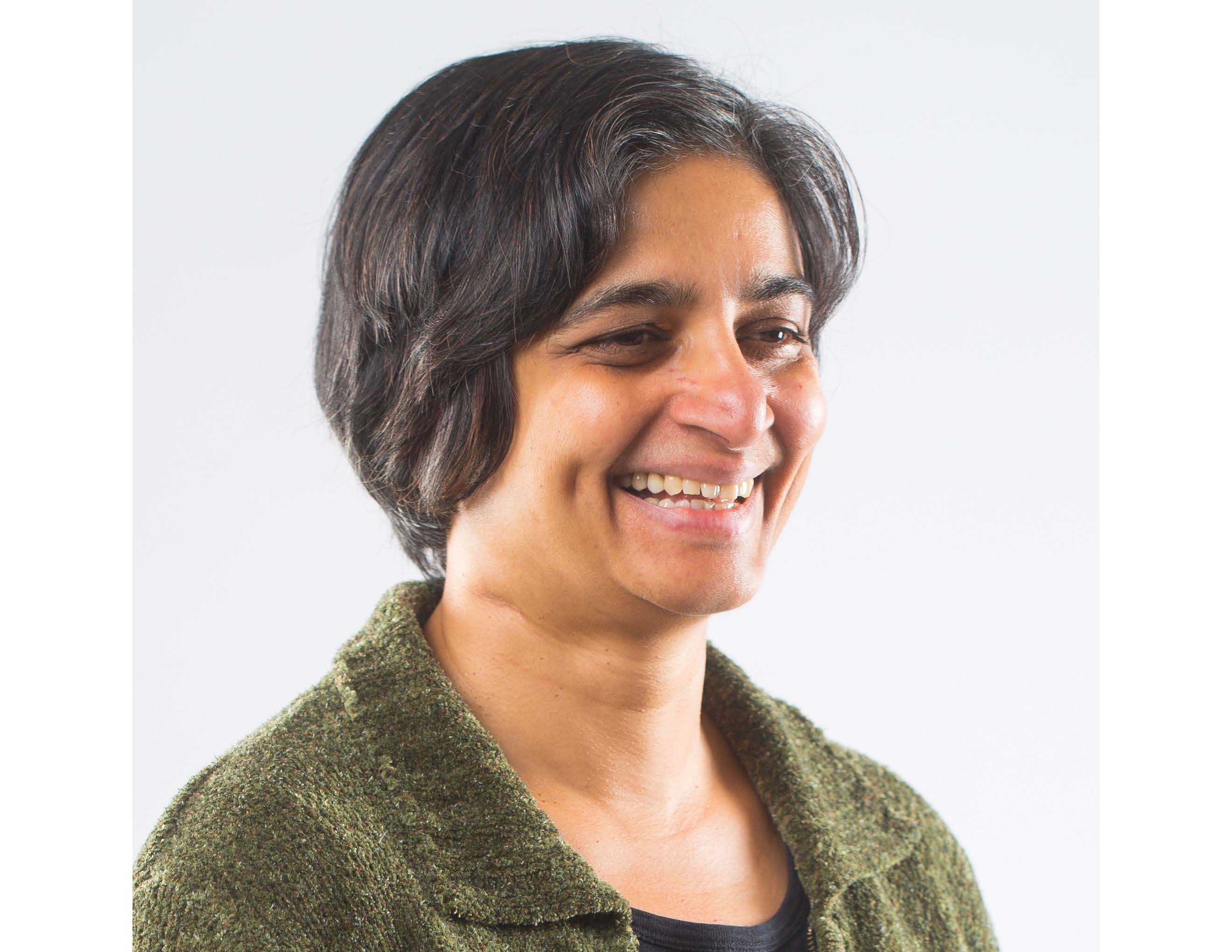
Banu Subramaniam is a distinguished evolutionary biologist, feminist theorist, and interdisciplinary scholar whose work bridges the natural sciences, humanities, and social sciences. Her research examines the intersections of science, gender, colonialism, and environmental knowledge, offering innovative perspectives on contemporary scientific and cultural debates.
Her scholarship engages critical areas including posthumanism, feminist science studies, critical plant studies, environmental humanities, and invasion biology. Through her work, she highlights how scientific narratives are shaped by histories of empire, gender, and power.
Among her most influential books are Ghost Stories for Darwin (2014), recipient of the Ludwik Fleck Prize, and Holy Science (2019), which received the Michelle Kendrick Memorial Book Prize. Her recent work, Botany of Empire (2024), further explores the enduring scientific legacies of colonialism through the lens of plant worlds and environmental history.